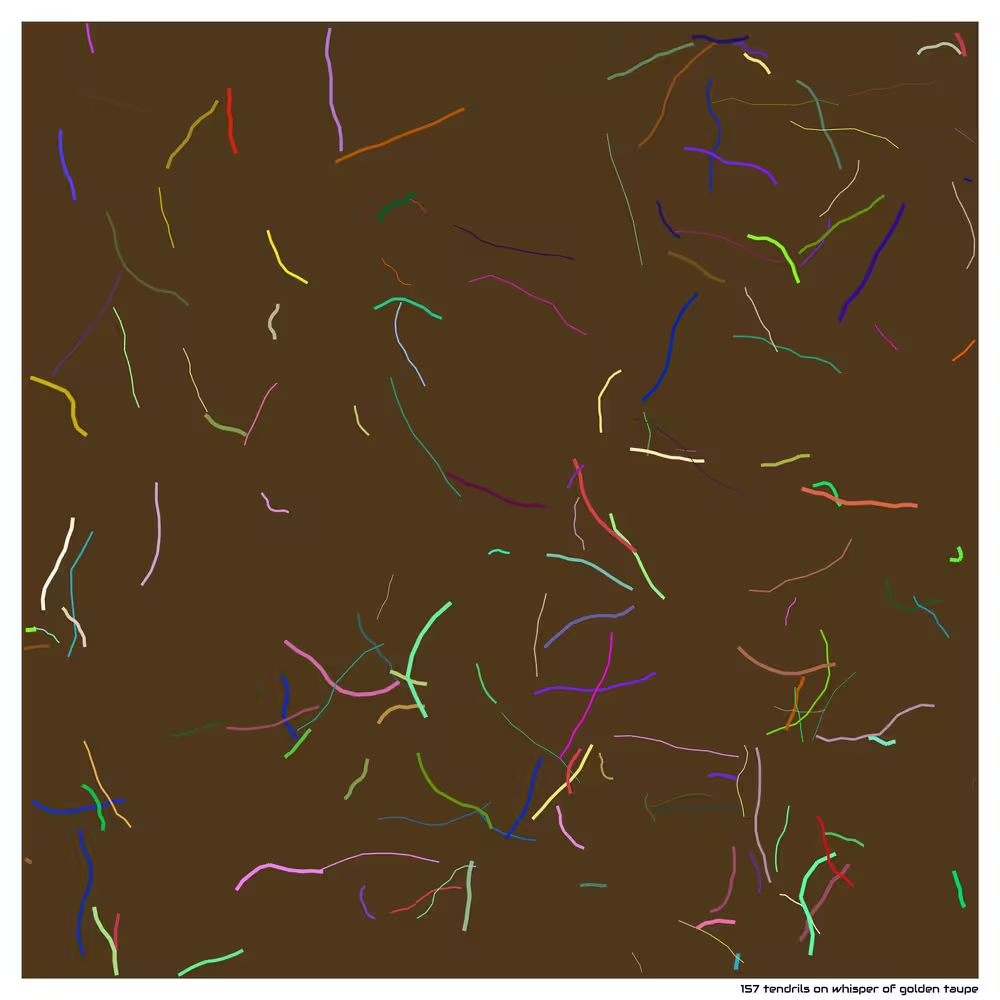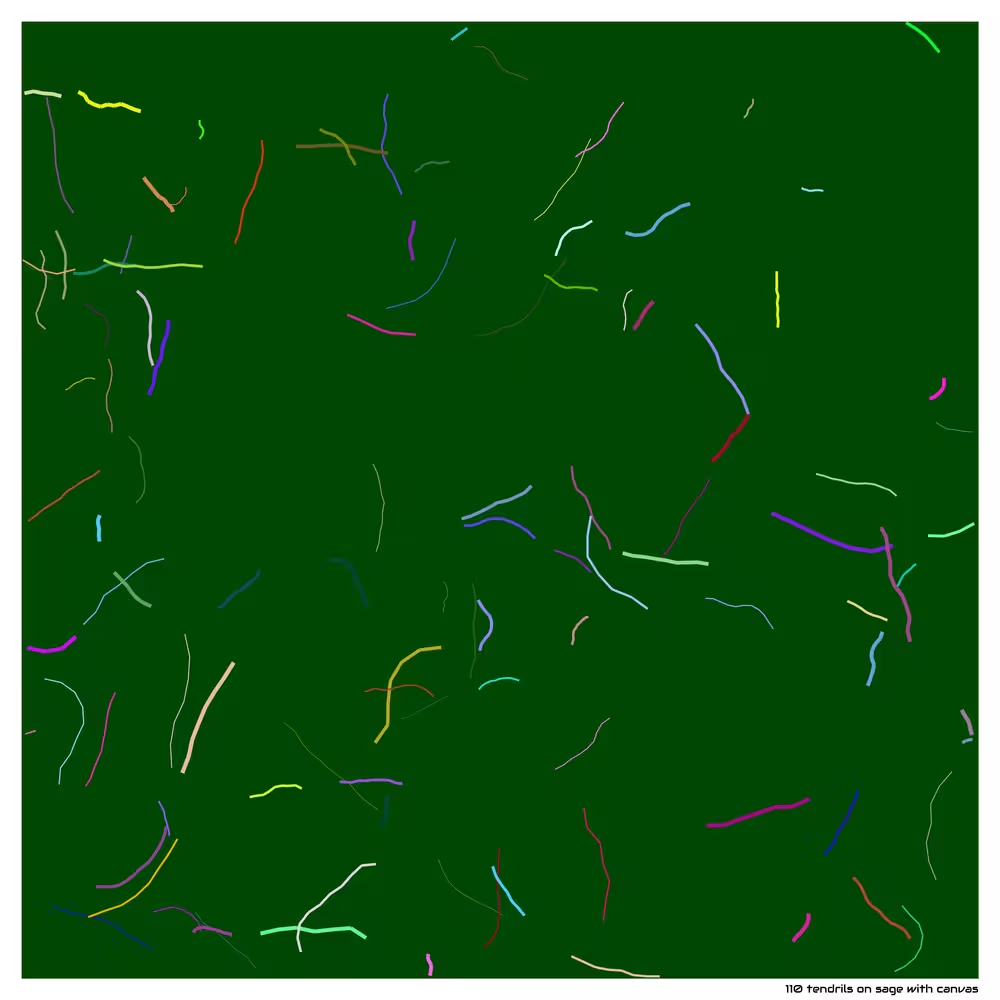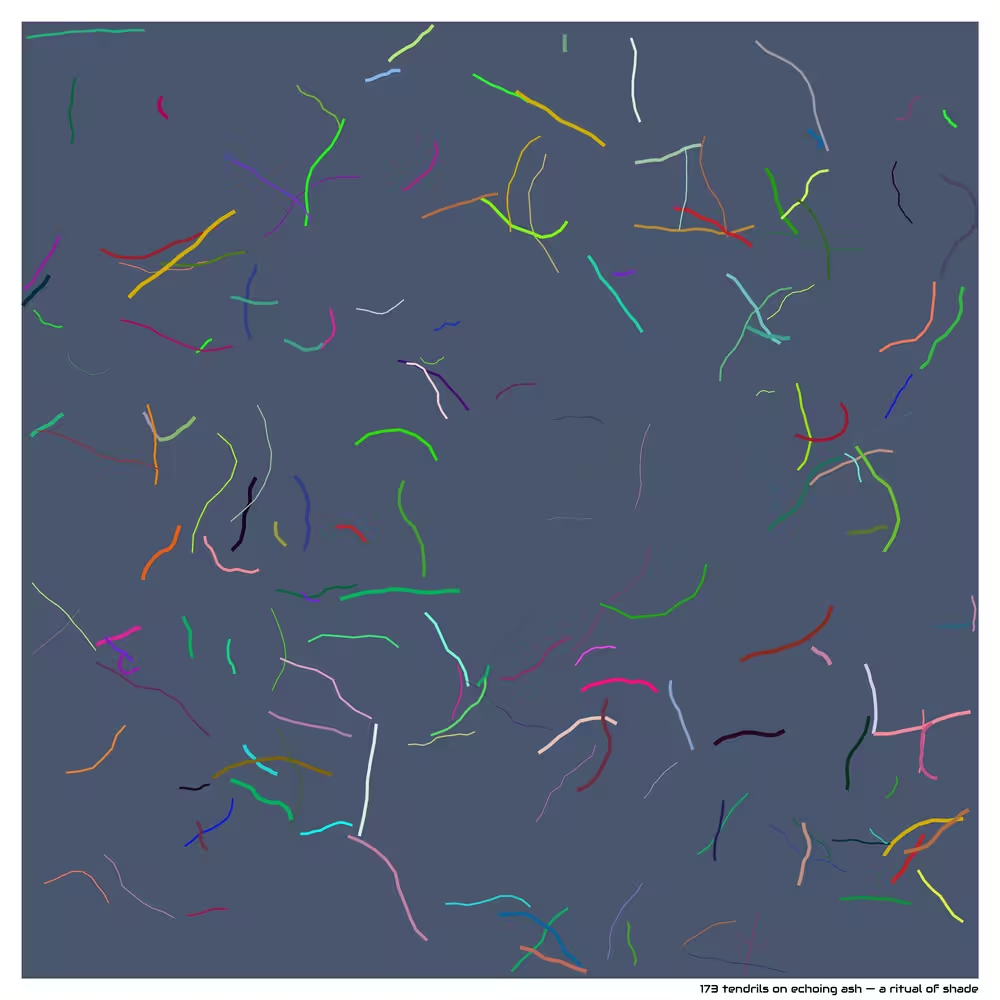
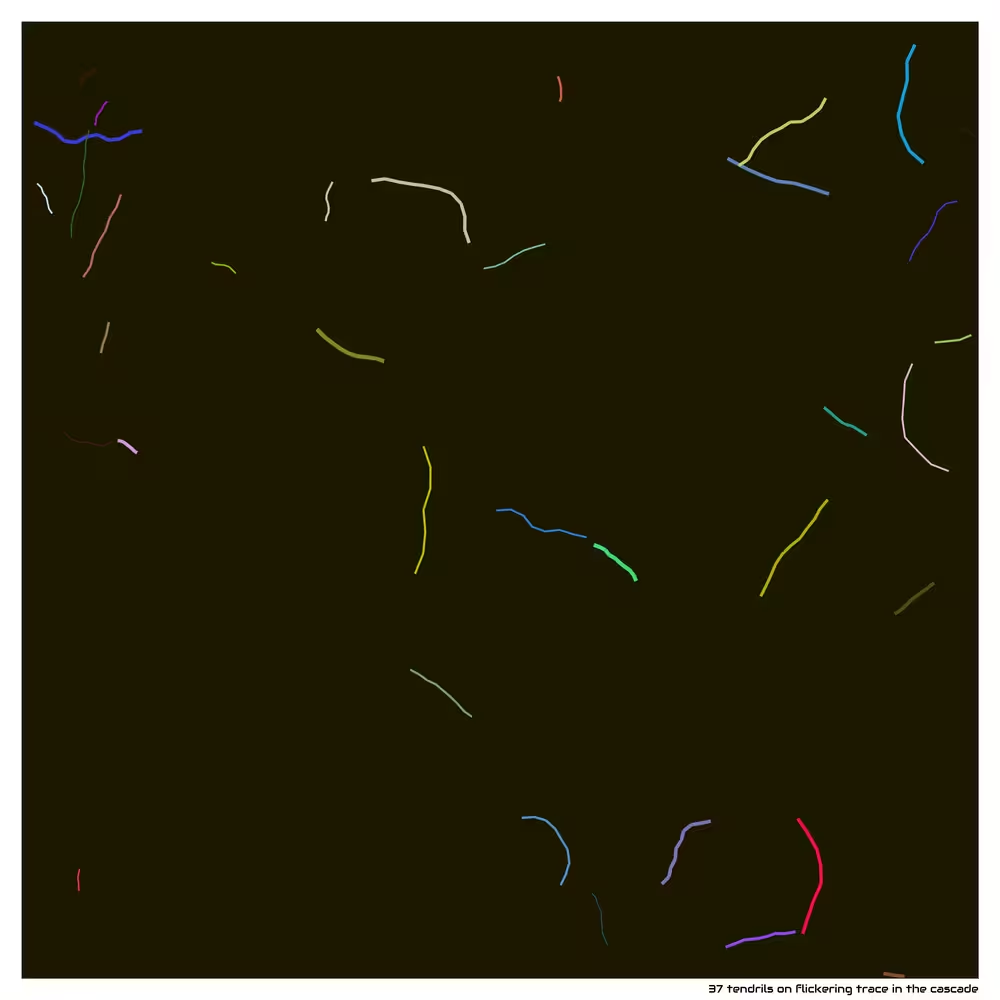
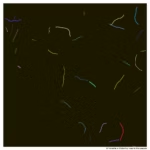
In this artwork, 37 tendrils emerge on a vibrant “flickering trace in the cascade” background, whose radiant color exudes a refreshing, dynamic energy. The tendrils navigate in untamed arcs and pointed edges, colliding and building a complex web of navigatement and chaos. Each line tells its own story, yet together they merge into a harmonious, unpredictable whole.
The “flickering trace in the cascade” background offers the ideal setting, boosting the energy of the lines. This intense color lets the structures move freely, bringing a powerful tension to the piece. The contrast between the calm, even background and the wild motion of the lines builds a captivating harmony.
This artwork celebrates the freedom of randomness and the beauty of spontaneous emergeing. The 37 tendrils on this lively background invite the viewer to explore the unknown and experience the dynamics of creativity without boundaries.

Tendrils flickering trace in the cascade — minimal generative artwork exploring geometry, rhythm and balance.
Tendrils flickering trace in the cascade
This generative artwork, titled "37 tendrils on flickering trace in the cascade", studies tendrils as a repeating structural element. The composition treats geometry like a simple alphabet: units are placed, rotated and spaced with restrained randomness. The intention is to balance order and variation so the eye moves calmly across the surface.
The color theme "flickering trace in the cascade" works as a quiet foundation. Small changes in tone help separate layers without breaking the minimalist character. Rather than heavy gradients the piece relies on clear edges, consistent spacing and readable figure–ground relationships. This creates an image that stays legible at different viewing distances.
Tendrils lend themselves to this approach because their outline is easy to read. Minute rotations change their energy and create directionality. In clusters they suggest flow; in isolation they act like anchors that hold the rhythm together. The arrangement aims for tension without noise.
From close range the small decisions become visible: line thickness, micro-rotations, offsets and the way neighboring elements align or miss slightly. From a distance these details merge into diagonals and bands. The work deliberately supports this dual reading, which adds quiet movement without forcing the eye.
Light plays a role as well. On matte papers the surface reads softly and the geometry becomes a gentle texture. Under directional light the crisp edges produce a subtle flicker as the viewer changes position. This interaction keeps the work active without demanding attention.
Details
Additional notes: repetition, spacing and alignment are adjusted in small steps to avoid visible tiling artifacts. The palette around flickering trace in the cascade remains restrained so structure stays primary. The aim is long-term legibility on paper and consistent results across prints.
Printing guidance: smooth, neutral white papers work best. Thin borders and simple frames support the geometry without adding visual weight. For larger sizes keep viewing distance in mind so both micro details and overall rhythm read comfortably.